
Our roof replacement process. No mystery.
From the first roof inspection to the final cleanup, you should know what is happening to your home, what we're installing and what happens if we uncover something unexpected.
A roof replacement starts long before the first shingle comes off.
A professional roof replacement begins with evaluating the existing roof, defining the scope of work and planning the materials and installation before tear-off begins.
Once work starts, the existing roofing is removed so the roof deck can be evaluated. The roof is then prepared with the appropriate edge metal, water-protection layers, underlayment, starter and roofing components before the finished roof system is installed.
The exact system varies by the roof, material and project scope. The process below describes a typical residential asphalt shingle replacement by TopDog Roofing in Southern Maine.
What happens when TopDog replaces your roof?
Seven stages. Clear expectations. No need to wonder what's happening next.
Roof inspection & project assessment
The first step is understanding the existing roof and what the project actually requires.
We evaluate visible roof conditions and project details such as the roofing material, roof size and complexity, existing layers, penetrations, flashing conditions, skylights, chimneys, ventilation and access.
Clear proposal & scope of work
Once the roof has been evaluated, the project should be defined clearly enough that you understand what is being removed, what is being installed and what is included.
The proposal identifies the roofing system and major project components along with exclusions or conditions that may affect final scope.
Materials, scheduling & job preparation
Before installation day, the roof system, material quantities and job logistics are prepared so the crew can work efficiently once tear-off begins.
Weather can affect roofing schedules, so installation timing may need to move when conditions are not appropriate for safe roofing work or proper installation.
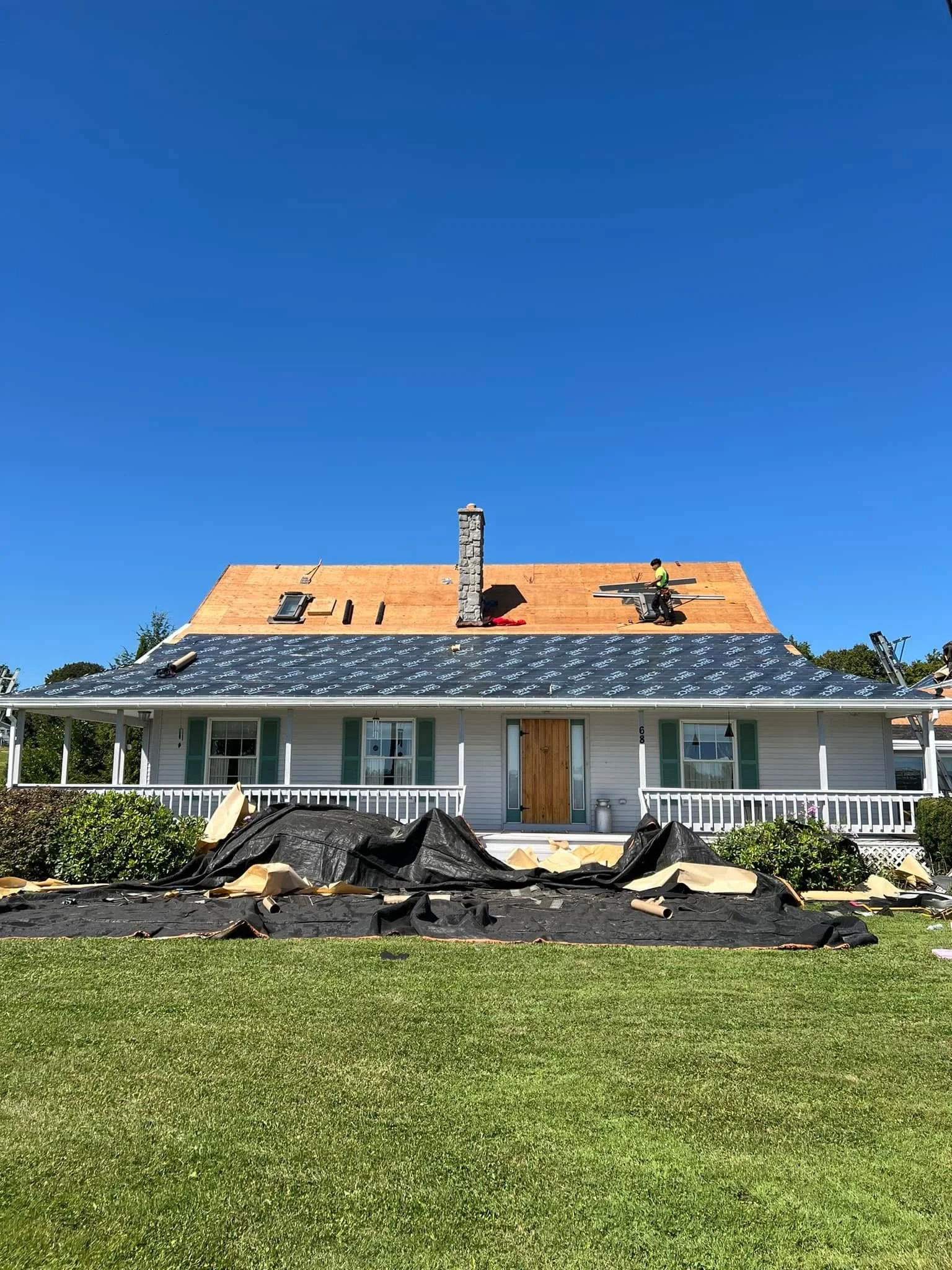
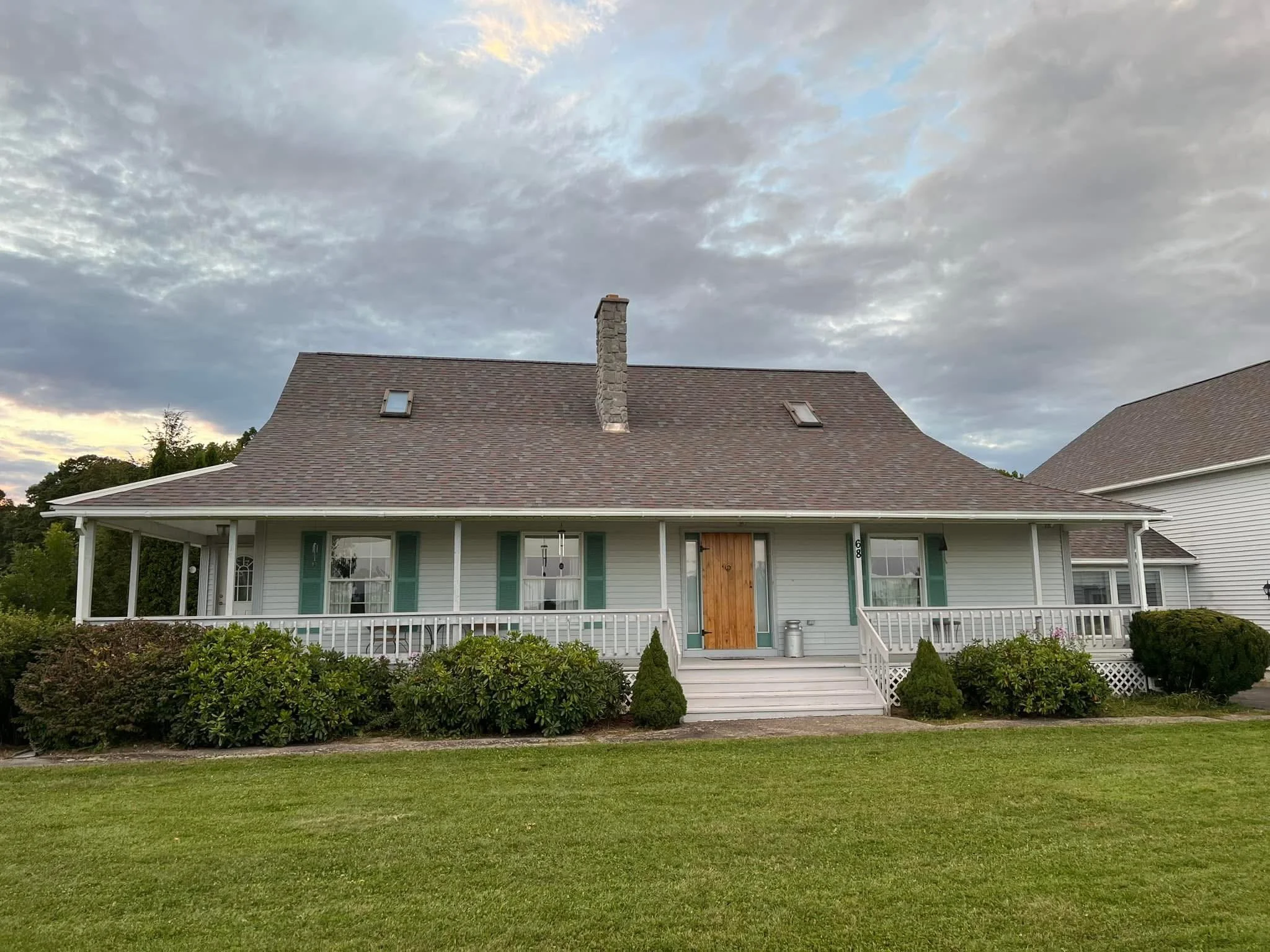
Site preparation, safety & property protection
Before tear-off begins, the work area is prepared so debris can be controlled and your home and property can be protected as the old roof comes off.
Fall zones are identified and debris protection is positioned around the home. The exact setup depends on the property, landscaping, roof height and access.
Tear-off & roof deck inspection
Existing roofing materials are removed so the roof deck can be exposed and evaluated before the new roof system covers it again.
Tear-off is important because some decking problems cannot be confirmed from the exterior while old roofing is still installed.
If deteriorated, damaged or unsuitable decking is uncovered, it should be addressed before the new roofing system covers it. We explain what was found and how it affects the project.
Roof preparation & installation
Once the deck is ready, the new roofing system is installed in layers designed to work together rather than as a collection of unrelated products.
Depending on the project, this may include drip edge, ice-and-water protection, synthetic underlayment, starter, field shingles, ridge cap, ventilation, pipe boots and flashing details.
Exact materials and locations depend on the roof design, manufacturer system and project scope.
Shingles are only the part you see.
Good performance depends on the layers and details underneath and around them.
Structural surface that supports the roofing system.
Ice-and-water membrane protects vulnerable areas as specified.
Secondary water-shedding layer beneath the shingles.
Main visible roofing system installed across the roof.
Details around walls, chimneys, vents and roof openings.
Exhaust components installed when appropriate for the roof design.
Final cleanup & roof inspection
When installation is complete, roofing debris, loose materials and job-related nails are removed from the work area and the finished roof is inspected.
Cleanup is part of the roofing project—not an optional step after the “real work” is finished.
Many straightforward roofs can move fast. Good work still comes first.
Many residential asphalt roof replacements can be completed in a single working day, but the actual schedule depends on roof size, pitch, complexity, weather and whether concealed decking repairs are discovered after tear-off.
- Roof size
- Steep pitch
- Multiple roof sections
- Chimneys & skylights
- Deck repairs
- Weather
A new roof shouldn't require blind trust.
You should be able to understand what's happening, why it matters and who to call when you have a question.
Clear scope
Know the major components being removed and installed before the project begins.
Property protection
Roofing happens above your landscaping, siding and yard. Those areas need attention too.
Deck inspection
The old roofing comes off before the new system hides the deck again.
System thinking
Underlayment, flashing, starter, shingles and ventilation need to work together.
Cleanup
The project isn't finished just because the last shingle was installed.
Straight answers
If something changes during the project, you should understand what was found and why it matters.
Questions homeowners ask before roofing starts.
Do you remove the old shingles before installing the new roof?
For a typical TopDog roof replacement, the existing roofing materials are removed so the roof deck can be exposed, inspected and prepared before the new roofing system is installed.
What happens if bad plywood or roof decking is found?
Decking conditions can sometimes remain hidden until tear-off. If deteriorated or unsuitable decking is found, the affected area should be addressed before it is covered by the new roof. We explain what was discovered and how it affects the project.
What is roof underlayment and why is it important?
Roof underlayment is installed between the roof deck and the finished roofing. It acts as a secondary water-shedding layer beneath the shingles and is one part of the overall roofing system.
What is ice-and-water protection?
Ice-and-water membrane is a self-adhered waterproofing layer used at vulnerable roof areas as required or specified by the roof design and project scope. It provides additional protection beneath the finished roofing.
How long does a roof replacement take?
Many straightforward residential asphalt roof replacements can be completed in one working day. Larger roofs, complex designs, steep pitches, concealed deck repairs and weather can extend the schedule.
What if I'm not sure whether I need repair or replacement?
Localized damage may be repairable when the surrounding roof remains serviceable. Widespread deterioration or multiple problem areas can make replacement the better value.
Visit our Southern Maine roof repair guide →Can I get an idea of roof replacement cost before an inspection?
Yes. TopDog's online roof estimator provides a preliminary planning range based on information about the home and roof. Final pricing is confirmed after the roof is evaluated in person.
Try the Instant Roof Estimator →A local roofing process built for Maine homes.
TopDog Roofing is based in Dayton and serves homeowners throughout York County, Cumberland County and surrounding Southern Maine communities.
View all service areas →Start with the roof. Then build the right plan.
Whether you need a targeted repair or a complete replacement, the first step is understanding what is actually happening with the roof.