5 Signs You Need A New Roof in Maine
What Southern Maine homeowners should watch for before small problems turn into major damage
Maine’s climate is one of the toughest on roofs in the entire country. Between heavy snow, ice dams, strong coastal winds, and constant freeze‑thaw cycles, roofing materials wear out faster here than in milder regions.
Most asphalt shingle roofs last about 15–30 years, but harsh northern conditions can shorten that lifespan if the roof isn’t properly maintained or installed.
Knowing the signs of failure early can save you thousands in repairs and help you avoid emergency leaks during the worst time of year.
Here are the 5 most important signs you may need a new roof in Maine.
Curling, Cracking, or Missing Shingles
One of the clearest signs your roof is reaching the end of its life is visible shingle damage.
Look for:
Curled or cupped edges
Cracked or brittle shingles
Missing shingles after storms
Moss and algae growth
In Maine, repeated freeze-thaw cycles cause shingles to expand and contract, which can lead to cracking, curling, and eventual failure. Once shingles lose their shape, they can no longer properly shed water, leaving your home vulnerable.
If damage is widespread (not just a few shingles), replacement is usually the most cost-effective option.
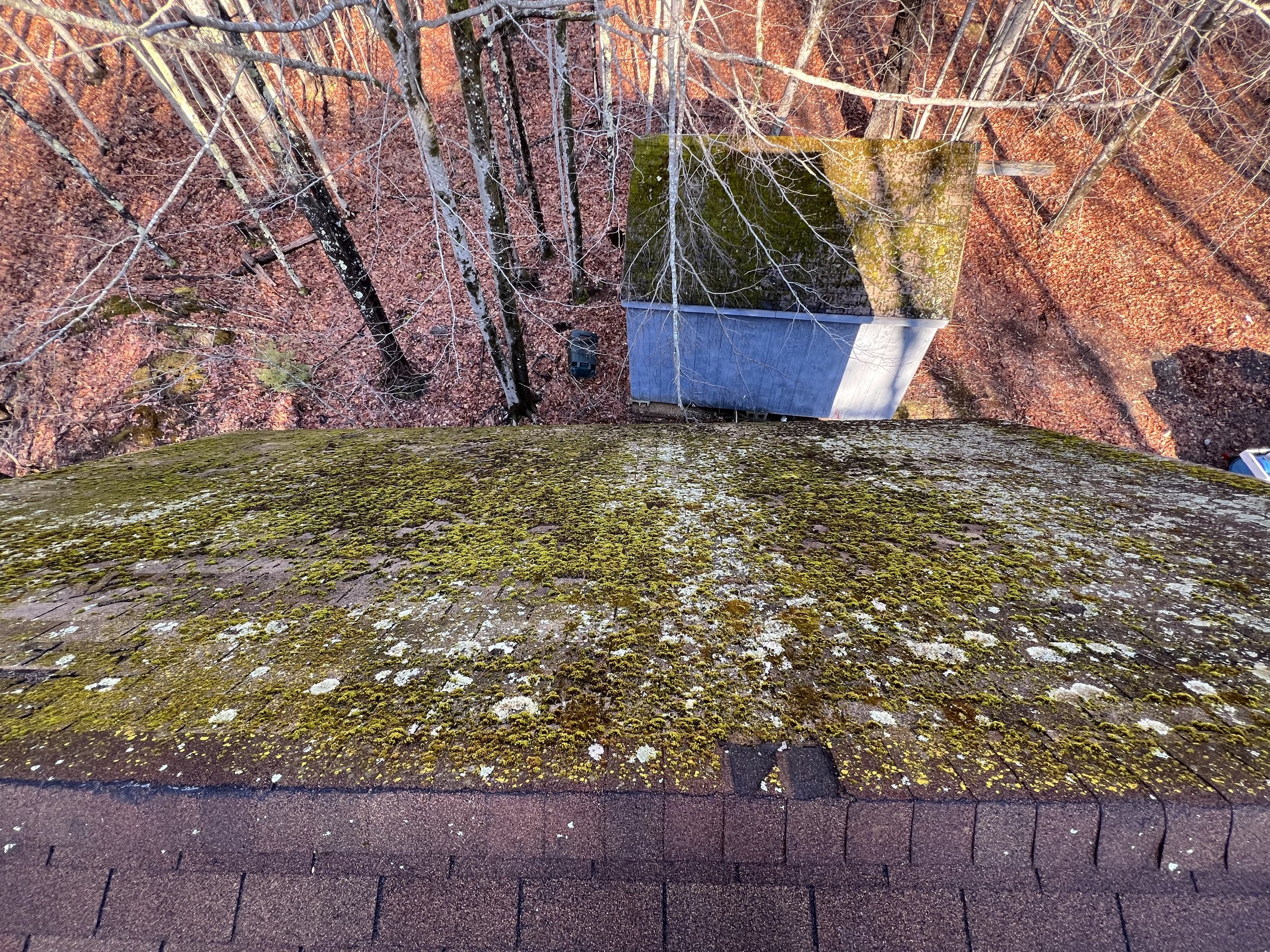
Algae growth leading to water flow issues
Granules in your gutters or bare spots on your shingles
Asphalt shingles are coated with protective granules that shield them from weather and UV damage. These granules also absorb impact from rain, hail, debris, and any foot traffic. They reflect sunlight and heat absorption, slightly improving or hurting energy efficiency. These granules are also responsible for the coloring and texture of your roof. Without them, your roof can look patchy, and uneven.
If you notice:
Sand-like granules collecting in gutters
Dark or “bald” patches on shingles
…it means your shingles are deteriorating, which in turn accelerates roof failure.
Granule loss exposes the underlying asphalt layer, making your roof much more susceptible to leaks and weather damage.
In Maine’s harsh weather, once granule loss starts, deterioration can accelerate very quickly.
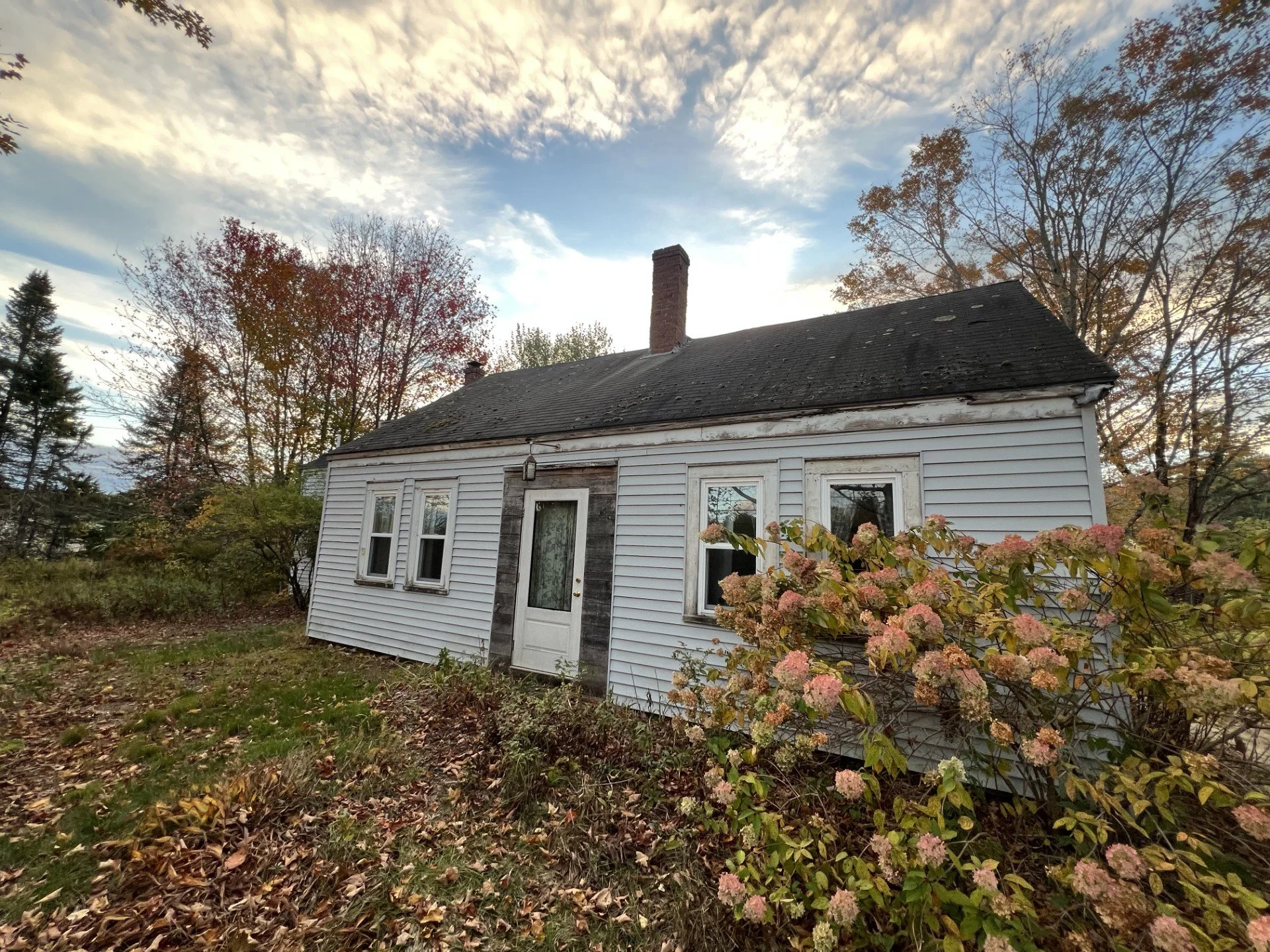
Failing roof system with extreme granule loss in Saco, ME
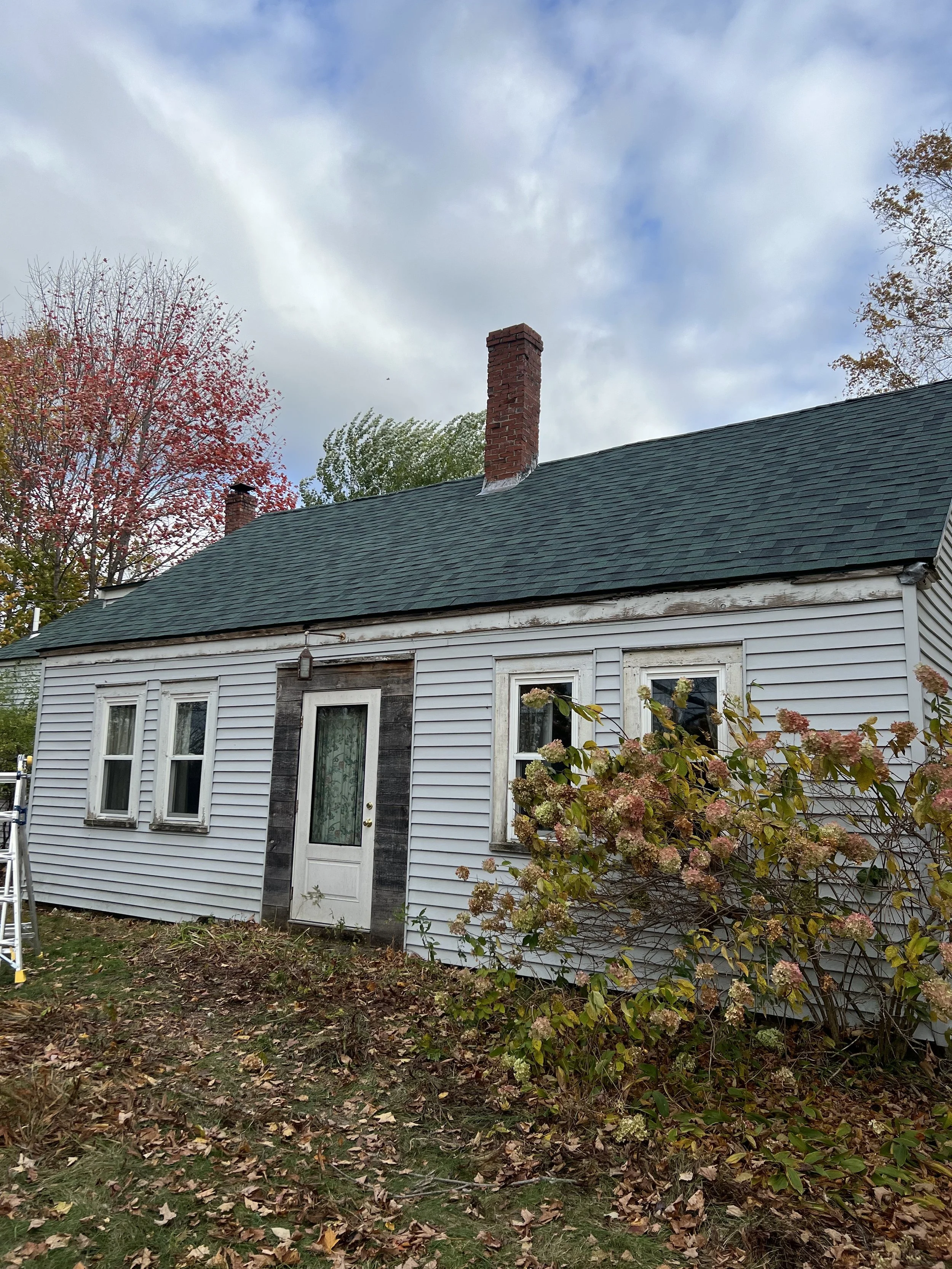
Complete roof replacement completed by TopDog Roofing in Saco, ME
Leaks, Water Stains, Moisture in the attic
Water intrusion is one of the most serious warning signs. Due to lateral movement, the visible damage location does not mean that the damage area is the entry point.
Watch for:
Water stains on ceilings or walls
Damp insulation or musty attic smells
Dripping during heavy rain or snow melt
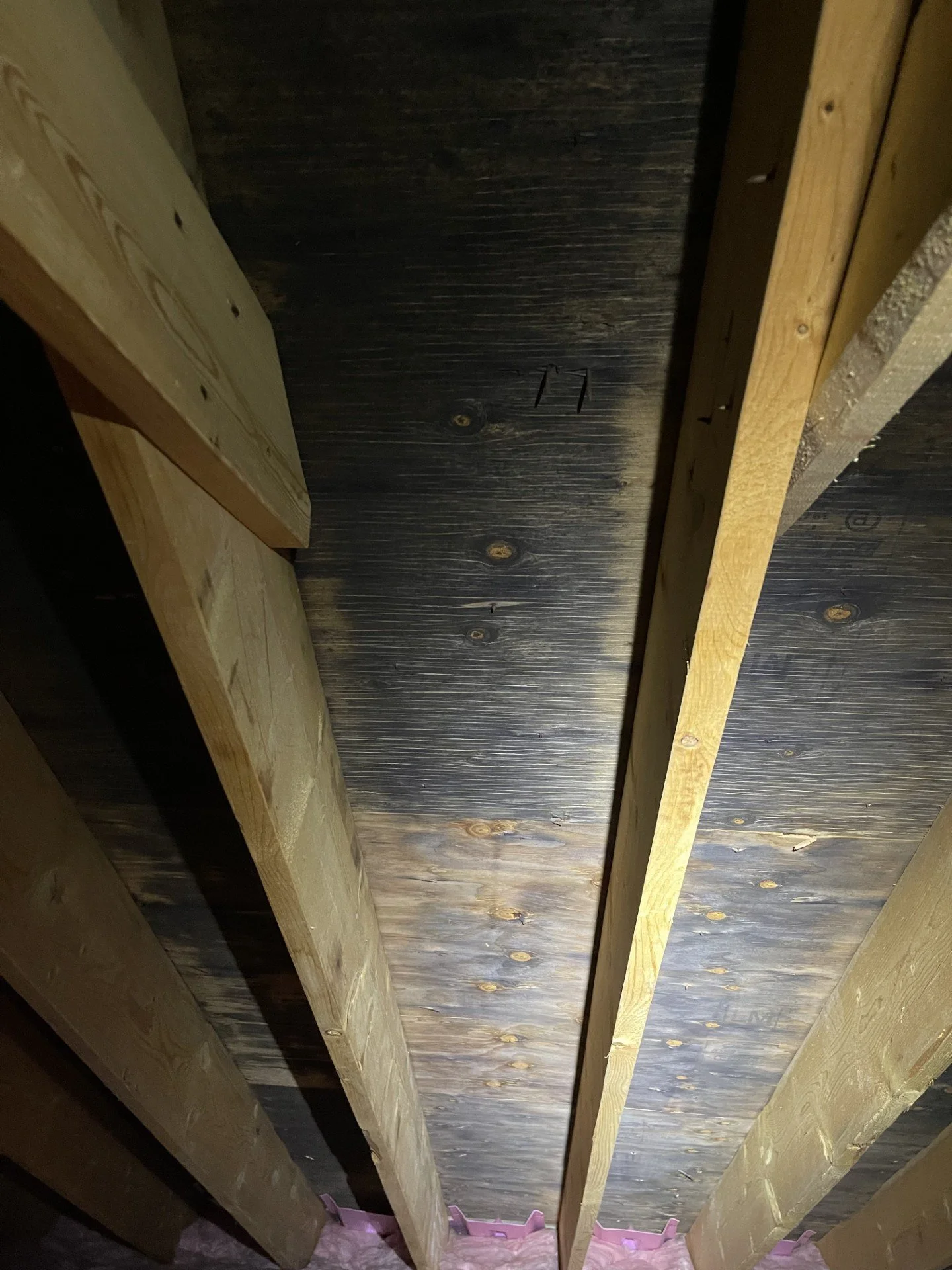
Mold growth in attic on the bottom side of the roof decking.
Improper ventilation created this issue.
These issues often mean your roofing system (shingles, flashing, or underlayment) has already failed.
In colder climates like Maine, ice dams can make this problem worse by forcing water under shingles and into your home.
If you’re seeing interior water damage, it’s critical to act fast before structural issues or mold develop. Get in touch with a professional ASAP before this problem advances.
Ice dams or heavy winter damage
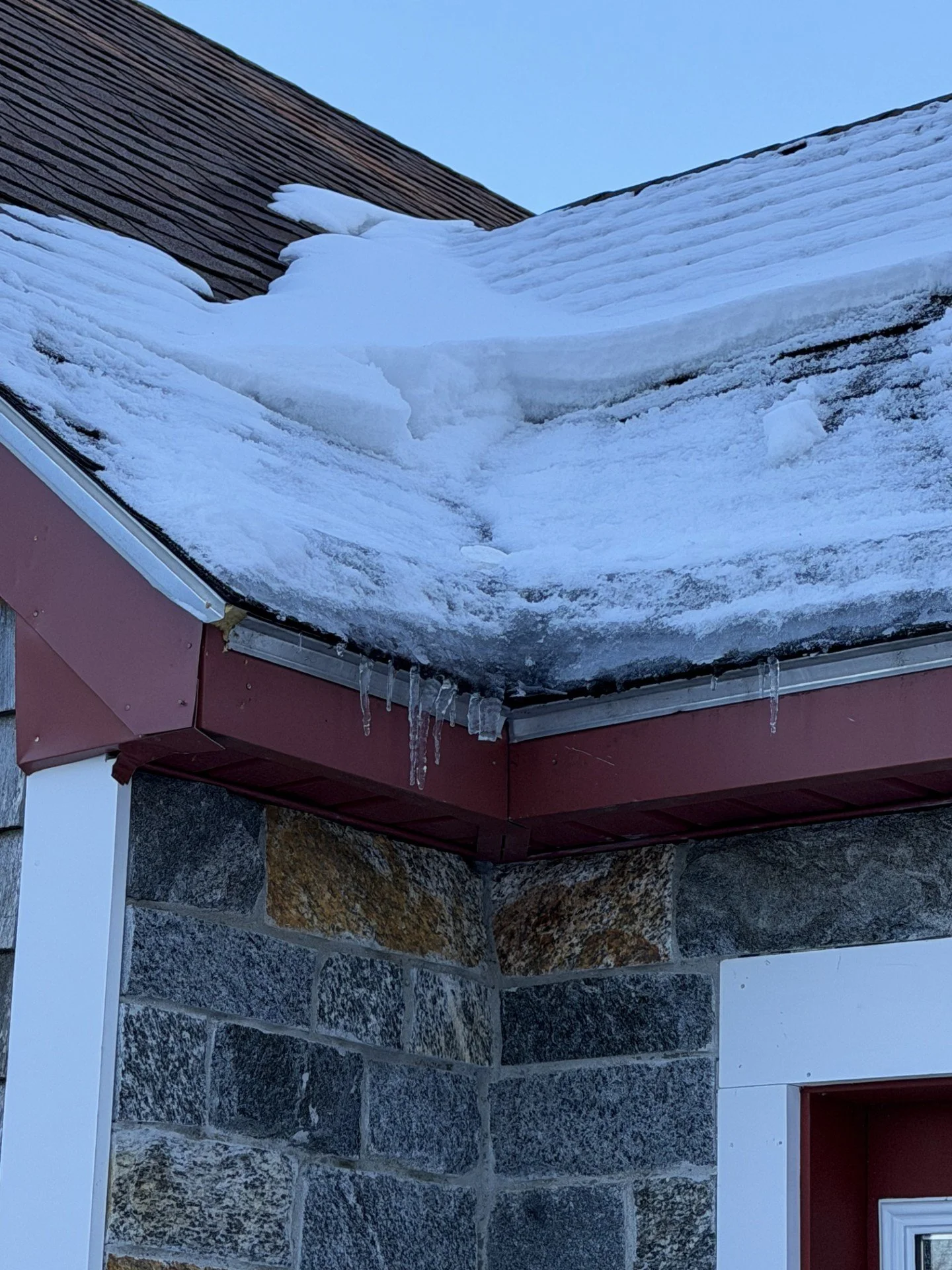
Ice dam removal project in Dayton,ME
Ice dams are extremely common in Southern Maine and are a major contributor to roof failure.
Warning signs include:
Thick ice buildup along roof edges
Large icicles forming repeatedly
Water stains after snow melts
Ice dams form when melting snow refreezes at the eaves, trapping water that can back up under shingles and cause leaks.
Over time, this repeated freeze-thaw stress can:
Damage shingles
Rot roof decking
Shorten your roof’s lifespan
If ice dams are happening every winter, your roof system may already be compromised.
Your Roof Is 15–25+ Years Old
Age alone can be enough reason to seriously consider replacement.
Most asphalt roofs:
Last 15–30 years on average
Often wear out faster in cold climates due to snow, wind, and temperature swings
Even if your roof “looks okay” from the ground, older roofs often have hidden issues beneath the surface.
If your roof is over 20 years old in Maine, it’s smart to schedule an inspection before a major failure happens.